
Italy by Car: Why a Road Trip Shows You More Than Any Flight
Italy by car: a three-week route idea from Lake Como to Sicily, plus tolls, ZTL zones, parking, speed limits and vignettes for the drive (as of 2026).
 Lake ComoLake GardaMilanVeniceFlorencePisaRomeNaplesPalermoMarsalaCatania
Key takeaways
- Driving shows you far more of Italy than flying: the small towns, lakeshores and coastal roads between the big cities become part of the trip.
- Our route idea for about three weeks runs from Lake Como via Milan, Lake Garda, Venice, Florence, Pisa, Rome and Naples by ferry to Sicily (Palermo, Marsala, Catania).
- Italian motorways charge tolls by distance: take a ticket when you join and pay at the exit in cash, by card or with a toll box such as Telepass.
- Never drive into a ZTL without a permit. These historic-centre zones are camera-controlled, and according to ADAC each entry costs around 100 euros.
- Getting there, you need the Swiss annual vignette (40 francs), an Austrian vignette, and the separate Brenner motorway toll (as of October 2026).
For us, seeing Italy by car is the best way to get to know the country. Fly, and you see an airport, a city and another airport. Drive, and you see everything in between: lakeshores, vineyards, coastal villages and the little bars along country roads. Here we explain why an Italy road trip is worth it, suggest a route of about three weeks, and cover what you need to know in 2026 about tolls, ZTL zones, parking and getting there.
Why does a road trip show you more of Italy than a flight?
We have been to many places in Italy: Lake Como and Lake Garda, Milan, Venice, Florence, Pisa, Rome and Naples, and Palermo, Catania and Marsala in Sicily. After all of them, our conviction is simple: you discover far more of Italy by car than by plane or any other way.
The reasons are practical:
- Flexibility: You decide each morning whether to move on or stay another day.
- Small towns: Many of the loveliest villages are nowhere near a railway line or airport. By car, they are a short detour.
- Lakes and coastlines: Around Lake Como, Lake Garda or in Sicily, viewpoints and swimming spots follow one another. With your own wheels, you stop wherever you like.
- The journey becomes part of the trip: Instead of waiting at the gate, you get scenery, espresso breaks and spontaneous detours.
Italia.it, Italy’s official tourism portal, actually recommends the state roads with blue signs for scenic drives: they are toll-free and slower than the motorway, but far more interesting.
What could a three-week route look like?
To be clear from the start: the route below is a suggestion, not a fixed plan. Shorten it, reverse it or stay longer anywhere you like. That is the whole point of a road trip. We have put the places in north-to-south order to save unnecessary kilometres. Distances and driving times are rough figures without breaks or traffic.
| Leg | Distance approx. | Driving time approx. | Highlights |
|---|---|---|---|
| Drive in via the Gotthard → Lake Como (e.g. from Zurich) | 230 km | 3 h | Bellagio, Varenna, ferries across the lake |
| Lake Como → Milan | 50–80 km | 1–1.5 h | Cathedral, Galleria Vittorio Emanuele II, Navigli |
| Milan → Lake Garda | 130 km | 1.5 h | Sirmione, lakeside road, Malcesine |
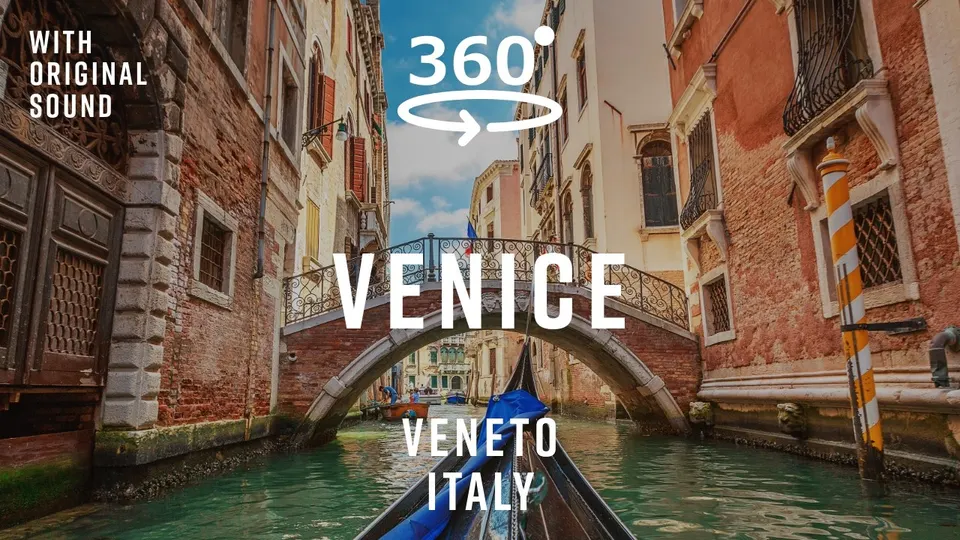
| Lake Garda → Venice | 150 km | 2 h | Grand Canal, St Mark’s Square, vaporetto rides |
| Venice → Florence | 260 km | 3 h | Cathedral, Ponte Vecchio, detour into Chianti |
| Florence → Pisa | 85 km | 1–1.5 h | Piazza dei Miracoli and the Leaning Tower |
| Pisa → Rome | 360 km | 4 h | Colosseum, Pantheon, Trastevere |
| Rome → Naples | 225 km | 2.5 h | Old town, pizza, views of Vesuvius |
| Naples → Villa San Giovanni, ferry → Messina | 470 km + ferry | 5 h + 20 min | Drive through Calabria, crossing to Sicily |
| Messina → Palermo | 230 km | 2.5–3 h | Markets, cathedral, Monreale |
| Palermo → Marsala | 125 km | 1.5 h | Salt pans, Marsala wine, lagoon |
| Marsala → Catania | 320 km | 3.5–4 h | Mount Etna, fish market, baroque old town |
| Catania → Messina (back to the mainland) | 95 km | 1–1.5 h | Coast road along the Ionian Sea |
Spend two or three nights at most stops and you end up with roughly three weeks. You can break the long drive from Naples to the Strait of Messina with a night in Calabria. Alternatively, overnight ferries run from Naples to Palermo: you skip the drive through Calabria, sleep on board and use the Messina crossing only on the way back.
Honestly, this route is ambitious. Better to drop one place than to pack your bags every other day. If you come via Austria and the Brenner Pass, start at Lake Garda and do Lake Como and Milan as a loop.
The stops at a glance
For more on each place, plus our videos and tips, see the destination pages: Lake Como, Milan, Lake Garda, Venice, Florence, Pisa, Rome, Naples, Palermo, Marsala and Catania.
You won’t need the car in Venice itself. Plan to park at the edge of the lagoon city or on the mainland, then get around on foot and by vaporetto. In Rome, Florence and Naples, too, it is far more relaxed to leave the car parked.
How do motorway tolls work in Italy?
Italy has no vignette. On most motorways you pay by the distance you drive: take a ticket when you join and pay when you leave. According to Autostrade per l’Italia, the largest operator, you have several options:
- Cash: in staffed lanes and at machines (lanes marked in white).
- Card: credit and debit cards in the blue lanes marked “Carte”.
- Telepass: with an electronic toll box you use the yellow Telepass lanes and are billed later. You have to order the device in advance, so check whether the fees make sense for your trip.
If payment fails at the exit, you receive a slip showing the amount owed and can settle it afterwards. For how we pay by card when travelling and which cards we use, see our article on paying abroad with Amex and Revolut.
What are ZTL zones, and how do you avoid fines?
The ZTL (Zona a Traffico Limitato) is the biggest trap for drivers in Italy. Almost every town with a historic centre has one. A sign marks the entrance, and behind it a camera records your number plate. According to ADAC, entering without a permit costs around 100 euros including administrative fees, and each further entry is fined separately. The notice often arrives months later, including in Germany, where such fines can be enforced.
How to stay clear of fines:
- Watch for “Zona Traffico Limitato” signs and the words “varco attivo”, which mean the camera is active.
- Sat navs often route you straight through the old town. Pick a car park outside the zone in advance.
- If your accommodation is inside a ZTL, give the hotel your plate number. According to Italia.it, the hotel can then arrange a permit.
Tip: Ask your accommodation when you book whether it lies inside a ZTL, and send your plate number straight away. With a rental car you only get the plate on pick-up, so message it to the hotel right then.
Where can you park in Italy?
According to ADAC, the colour of the lines at the kerb tells you what is allowed:
| Marking | Meaning |
|---|---|
| Blue lines | paid parking, often time-limited |
| White lines | usually free – check any extra signs |
| Yellow lines | reserved, e.g. for taxis, buses or residents – permit only |
| Yellow-and-black kerb | no parking at all |
If you get a parking ticket and pay within five days, ADAC says most offences are reduced by 30 percent.
Which speed limits and rules apply?
Unless signs say otherwise, these limits apply to cars in Italy (as of October 2026):
| Road | Limit | In rain/snow |
|---|---|---|
| Built-up areas | 50 km/h | 50 km/h |
| Rural roads | 90 km/h | 90 km/h |
| Dual carriageways | 110 km/h | 90 km/h |
| Motorways | 130 km/h | 110 km/h |
Drivers who have held their licence for less than three years may not exceed 100 km/h on motorways and 90 km/h on dual carriageways, and a 0.0 alcohol limit applies to them; otherwise the limit is 0.5. Outside built-up areas, dipped headlights or daytime running lights are compulsory even in daylight, and using a handheld phone while driving is banned.
Italy is working on changes to its highway code, so check the current rules shortly before you set off.
What do you need in the car?
- High-visibility vest: according to ADAC, compulsory as soon as you get out outside built-up areas after a breakdown or accident
- Warning triangle
- Driving licence, ID, vehicle registration and proof of insurance
- Warning panel (red and white, at least 50 × 50 cm) if a bike rack or load sticks out at the back
How do you get there via Switzerland or Austria?
Via Switzerland (Gotthard): Swiss motorways require a vignette. According to the Federal Office for Customs and Border Security, it costs 40 francs, whether as an e-vignette or a sticker, and is valid from 1 December of the previous year to 31 January of the following year. Buy the e-vignette from the official shop rather than from third parties who add a surcharge. The Gotthard route takes you straight towards Lugano and Lake Como.
Via Austria (Brenner): Austrian motorways require a vignette. According to ÖAMTC, in 2026 it costs 12.80 euros for ten days, 32 euros for two months or 106.80 euros for a year for cars. The A 13 Brenner motorway is the exception: according to ASFINAG, you pay a separate section toll of 12.50 euros per single trip. The A 12 Inn Valley motorway leading there does require a vignette.
How do you get to Sicily by car?
The classic way is across the Strait of Messina. Caronte & Tourist runs ferries between Villa San Giovanni and Messina around the clock, and the crossing takes about 20 minutes. According to the operator, you don’t book a specific departure, only the date, and then take any ferry that day. If you would rather skip the long drive through the south, look at the overnight ferries from Naples to Palermo and compare schedules and fares directly with the ferry companies.
What should you check when renting a car?
Not everyone drives their own car all the way to Sicily. If you rent a car in Italy, clarify a few things first:
- Age and card: According to Italia.it, rental companies usually require drivers to be at least 21, sometimes 25, and to have a credit card in the driver’s name.
- Ferries: Ask whether you may take the car on the ferry to Sicily.
- One-way rentals: If you pick up in the north and drop off in the south, ask about a one-way fee.
- Fines: With rental cars, the ZTL notice goes to the rental company first. Check the terms to see whether they charge a fee for passing it on.
- Equipment: At pick-up, check that the vest and warning triangle are on board.
Our verdict: is Italy by car worth it?
For us, absolutely. You are more flexible, you reach places no airport can, and you see how Italy changes from the Alpine lakes to Mount Etna. Three weeks is a lovely time frame, but ten days in the north or a week in Sicily are worth it too. Plan the big picture, leave room for spontaneous stops, and keep an eye out for ZTL signs.
You’ll find our videos from Italy on the destination pages and under Videos.
More videos from our trips
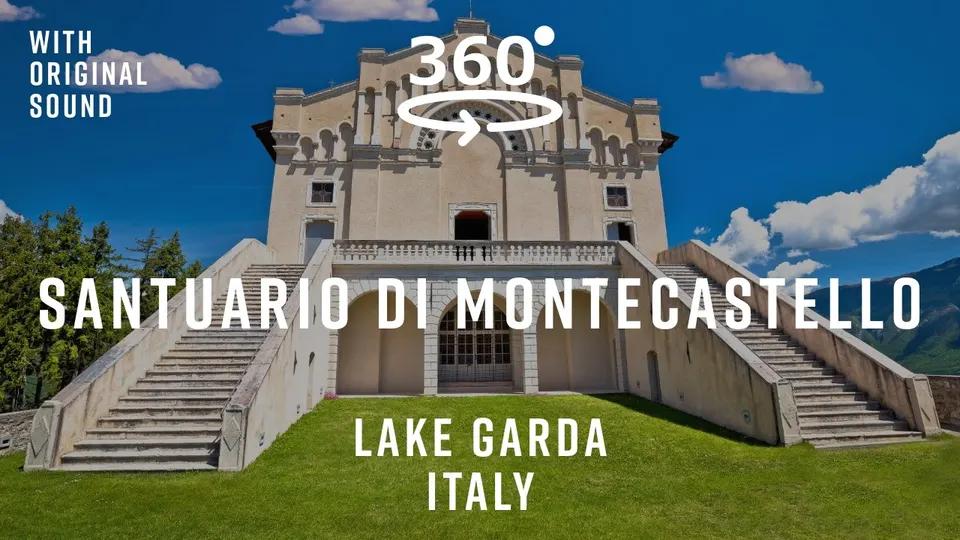 360°5:16Santuario di Montecastello – Lake Garda, Italy 🇮🇹 | 360° Walking Tour | Original Sound – opens YouTube in a new tab
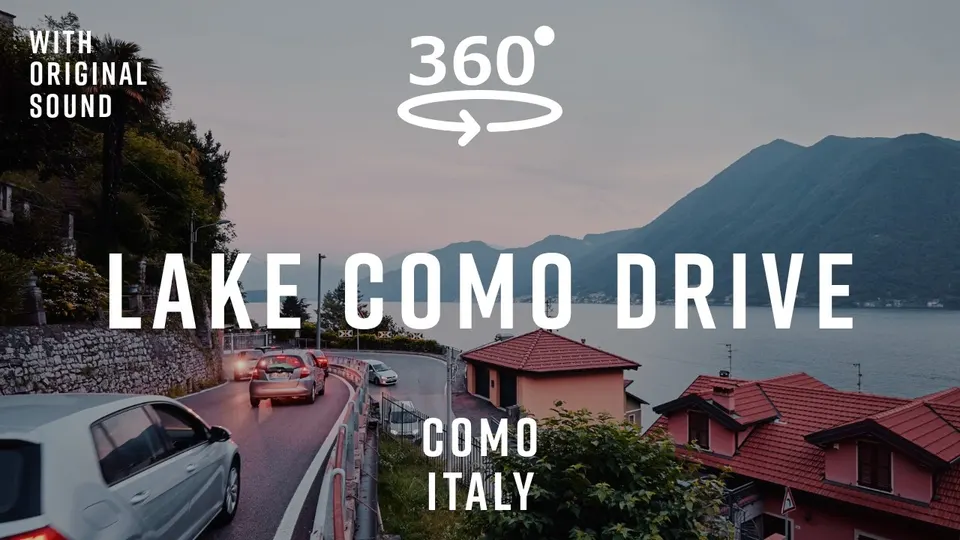 360°22:09Lake Como Scenic Drive – Como, Italy 🇮🇹 | 360° Road Tour | Original Sound – opens YouTube in a new tab
 360°12:24Villa del Balbianello – Lake Como, Italy 🇮🇹 | 360° Walking Tour | Original Sound – opens YouTube in a new tab
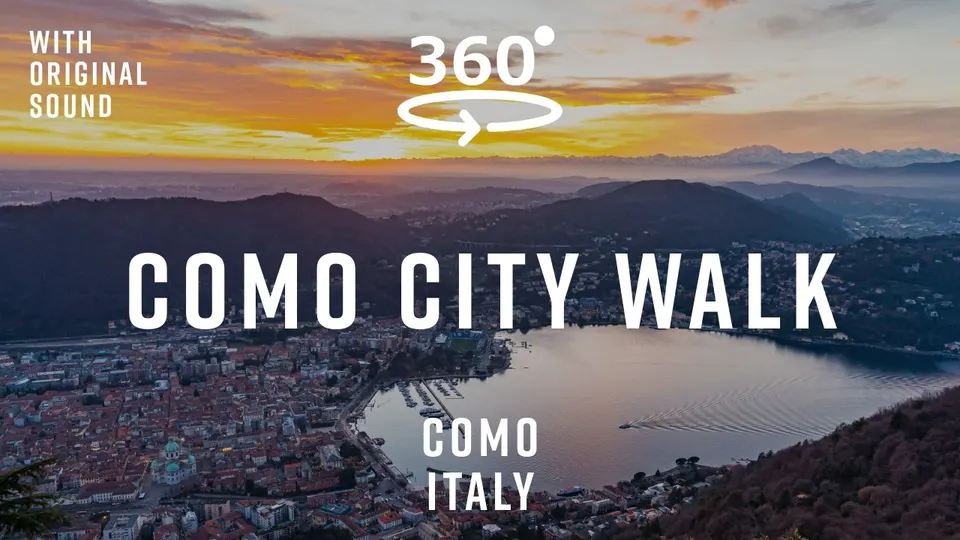 360°26:18Como City Walk – Como, Italy 🇮🇹 | 360° Walking Tour | Original Sound – opens YouTube in a new tab
 20:42Tokyo DisneySea
 – opens YouTube in a new tab
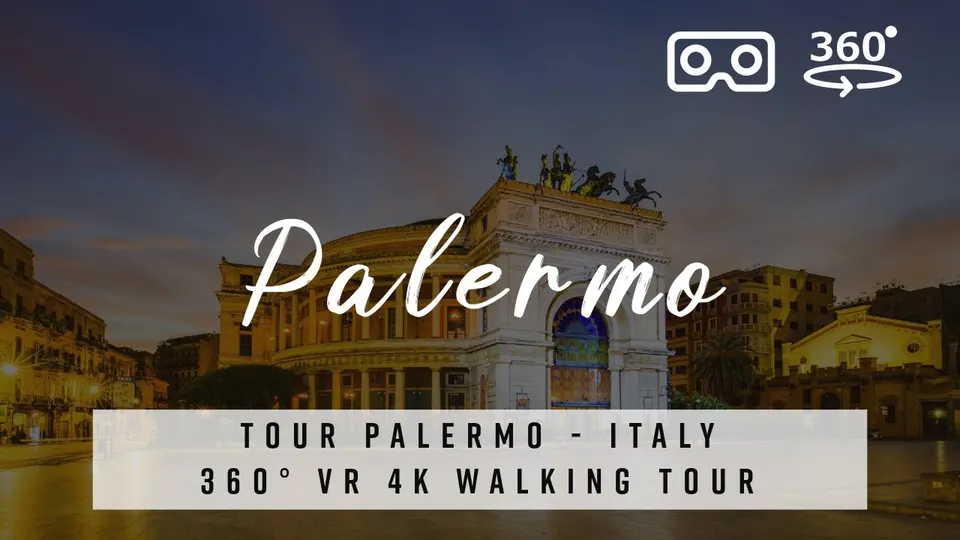 360°20:47Palermo, Italy 🇮🇹 Sicily - 360° VR 4K Walking Tour with best of Deep House Music
 – opens YouTube in a new tab
FAQ
How long do you need for a road trip through Italy from the north to Sicily?
About three weeks works well if you want two or three nights in most places. With less time, drop a stop or two rather than driving long distances every day.
How do you pay tolls on Italian motorways?
Usually you take a ticket at the entrance and pay at the exit. According to Autostrade per l'Italia, you can pay in cash, by credit or debit card, or automatically with Telepass in the yellow lanes.
What is a ZTL in Italy?
A ZTL (Zona a Traffico Limitato) is a limited traffic zone, usually in a historic centre. Cameras record every entry, and without a permit you risk a fine that often arrives by post months later.
How do you get to Sicily by car?
The easiest way is the car ferry between Villa San Giovanni and Messina. Caronte & Tourist runs it around the clock, and the crossing takes about 20 minutes.
What do you need to carry in the car in Italy?
According to ADAC, a warning triangle and a high-visibility vest, plus your driving licence, vehicle papers and proof of insurance. If a bike rack or load sticks out at the back, you also need a warning panel.
Sources
No guarantee – rules and prices may change. As of: 22 October 2026
- Payment methods – Toll (Autostrade per l'Italia)
- Traffic rules and penalties – Italy (ADAC, German)
- Driving to Italy: parking, fuel and toll mistakes (ADAC, German)
- Driving in Italy: requirements and rules (Italia.it, ENIT)
- Strait of Messina – timetables and information (Caronte & Tourist)
- Section toll A 13 Brenner motorway (ASFINAG)
- Vignette for Austria 2026 (ÖAMTC, German)
- E-vignette and adhesive vignette (Federal Office for Customs and Border Security FOCBS)